Showing posts with label nutrition. Show all posts

Wednesday, July 22, 2015

How to Stop Binging

Serving up Korean food 
Photograph: Jenny 

Ever have one of those days where you eat more than you normally would even to the point of being uncomfortable? Perhaps you really are hungry and actually need to eat, or you may be trying to deal with emotional problems and choose to use food as your relief.

I know that I am more likely to overeat when I've been hungry for a long period of time and do not seem to recognize it. During the end of my freshman year of college to the fall term of my sophomore year, I struggled with binge eating. I would repeat the endless cycle of over-restricting during the week to eating uncontrollably on Friday and Saturday, because I was so hungry without knowing it. Sunday would be the worst because I would limit my calorie intake by a lot.  

Once I talked to someone and got help, I was able to understand that I was under eating. I started eating five small meals a day which helped me temporarily. I was also lacking protein and healthy fats which help keep you fuller. When I feel like binging now, I just eat a small meal such as a bowl of oatmeal or a banana and some Greek yogurt. But, every now and then I will have a day where I eat a lot. I do not see it as a binge anymore and see it as a way to fuel my body

Here are some ideas to help you stop doing this for GOOD:

  • First off, self-acceptance is important. Accept that you will sometimes binge. It is not a horrible act. You are not disgusting or worthless. Sometimes it is totally worth it to binge. If you do binge, then move on and eat as you normally would the next day. Ever see those 10,000 calorie challenges on youtube? Those are definitely binges, but they are fun for some. I know it may not always be pleasant once you feel uncomfortable, but the food was good right? 
  • Understand that nobody is perfect and that you do not have to diet. Try to maintain a healthy lifestyle rather than going through with crash diets or detoxes. Those celebrities that you see on the media are most likely photoshopped.
  • The "I already blew it, I might as well keep stuffing myself" attitude sets you up for disaster. Have a few bites and stop eating. Eat something healthier, throw the food away, leave the table or brush your teeth. You might be actually hungry and need to eat some substantial food. You will regret it the next day and feel uncomfortable if you binge. 
  • Do not keep "binge" food around your room or house. If it's not around, then you cannot binge on it. Who wants to binge on green peppers or a cucumber? Not me. 
  • Keep a journal and log when you binge or feel like binging. What time of day is it? What are you feeling? Are you actually hungry? When did you last eat? By noticing patterns, you can stop yourself from binging or be more prepared. 
  • Do not restrict your calorie intake because you are only setting yourself up for another binge , and then you could repeat this binge-restrict cycle over and over.
  • Do not worry about weight gain. The worst that can happen is that you will gain a few pounds which will come off easily because it's temporary. The weight will fall off naturally once you stop binging. 
  • Allow yourself to "cheat" or have a small treat once or twice a week. By restricting and telling yourself that you cannot have sweets or fried food you are setting yourself up for going all out once you have the chance to be near them. 
  • Brush your teeth after eating. It helps to get rid of the taste in the mouth so you are unable to go overboard. 
  • If you feel like binging, leave the room and go outside. Tell yourself you can have the food later. In 15-30 minutes, you will not want to eat it. 
  • When eating your meals, eat slowly and chew your food. Sit down at a table and eat with friends or family. Do not eat standing up or in front of a tv because you will be more mindful of what you are eating. If necessary, eat your food with your opposite hand that you normally use to eat with. It will help you to slow down rather than shovel your food in and will allow you to feel more satisfied when your meal is over. 
  • Before going to a restaurant, night out with friends or having a treat at home by yourself, have a healthier snack. By eating a snack beforehand you are less likely to binge because you'll feel more full and satisfied. Some good snacks that are filling include: hard boiled eggs, oatmeal, fruit and vegetables. For some more food ideas, go to the Meal Plan and Food Ideas page. Craving something sweet or salty? Go to the Eat THESE not THOSE page. Everyone gets cravings, especially for sweets, but there are ways to keep them at bay and keep them under control without letting them become a binge. For some ideas on how to keep your cravings under control go to the Sugar Cravings page. 
  • If you are really struggling with binge eating, then seek help from a counselor or a friend. You may need some extra help. Everyone is here to help you and get past it. It is difficult, but it will be so worth it in the end. 
I believe in all of you. Do not be afraid to accept failure and move on. 

Saturday, August 9, 2014

Cocoa

Photo Credit: Jenny 

Cocoa lovers rejoice! I was initially uncertain about the hype surrounding cocoa and dark chocolate and their many incredible health benefits. But after exploring the scientific literature, I can say that the hype is completely justified and may even be understated.

Bottom line: cocoa powder is a low-calorie diet enhancer with numerous health benefits.

Cocoa powder comes from cocoa beans after the fatty cocoa butter has been extracted. Cocoa powder is naturally acidic and naturally bitter but rich in powerful antioxidants (one of the richest sources of flavanols). Various cocoa powder products are available including those that have been alkali processed which means the powder has been treated with an alkaline (basic) component to neutralize the pH, and this results in a better taste and solubility for beverages. However, keep in mind that processing significantly reduces the amount of antioxidants. For the best health benefits, stick with the unprocessed cocoa.

Cocoa, like many fruits and veggies and teas, is loaded is flavanols and flavonoids (molecules with powerful health properties). One tablespoon of dry cocoa powder contains 12 calories, 1 gram protein, less than 1 gram fat, less than 0.1 gram sugar, and 1.8 grams of fiber (USDA nutrient database). Numerous studies have demonstrated its beneficial effects for heart disease, diabetes, and cancer.

Cardiovascular
Overall, there is overwhelming evidence that suggests a definite link between cocoa consumption and cardioprotective effects.[1] Here are some recent scientific publications regarding the cardiovascular benefits of eating cocoa.

A recent study compared the effects of cocoa flavonoids and theobromine (also in cocoa) on high-density lipoprotein (HDL)-cholesterol levels (the “good” cholesterol). Healthy men and women aged 40-70 were put in different groups which consumed various amounts of each compound daily for 4 weeks. The results showed that theobromine significantly increased HDL-cholesterol levels while the cocoa flavonoids did not under these experimental conditions. This suggests that theobromine (whether consumed from cocoa or other sources) may help improve overall cholesterol levels.[2]

In another study, healthy and moderately hypercholesterolaemic individuals consumed two servings per day for 4 weeks of either milk (control) or cocoa powder in milk (15 grams cocoa powder per drink, contained 208 mg polyphenols). After four weeks, the participants who consumed the cocoa beverage had increased levels of HDL (good cholesterol) and lower levels of blood glucose and pro-inflammatory markers. Therefore, the regular consumption of cocoa (with milk, if you want to match the experimental conditions) may improve overall cholesterol levels while lowering blood glucose and inducing anti-inflammatory effects without gaining any weight.[3]

Recently, scientists investigated the effects of dark chocolate and cocoa on arterial stiffness and endothelial function. Overweight, middle-aged adults consumed 37 grams of dark chocolate and a cocoa beverage (containing 22 grams cocoa) per day for 4 weeks. The control group consumed a low-flavanol chocolate bar and a beverage with no cocoa. The experimental and control treatments contained equal amounts of total fat, saturated fat, protein, and carbohydrates. Participants who consumed the cocoa and dark chocolate saw an increase of brachial artery diameter and basal blood flow volume. Women also had a decrease in arterial stiffness. Overall, regular consumption of dark chocolate/cocoa can improve vasodilation (which is good in most cases) and may reduce arterial stiffness in women.[4]

Collectively, it appears that cocoa is an excellent dietary addition to help improve cardiovascular health.

Diabetes
Components in cocoa are believed to play a positive role in the prevention of type 2 diabetes, though the pharmacology is still being investigated.

Recently, scientists discovered that epicatechin (the main flavanol in cocoa) and a cocoa extract improved insulin sensitivity to cells treated with high glucose and can help prevent or delay potential hepatic dysfunction by regulating glucose uptake and production. In other words, the flavanols in cocoa may help prevent insulin resistance which has major implications on the prevention of type 2 diabetes.[5]

Additionally, researchers found that epicatechin protects pancreatic beta cells (the cells responsible for insulin secretion) against cell death and oxidative stress suggesting that regular consumption of cocoa could play a preventative role in the development of type 2 diabetes.[6]

Cancer
Although many fruits, veggies, and herbs contain flavonoids, cocoa truly is one of the richest sources. Through inhibition of oxidative stress and inflammation, the flavonoids and other components in cocoa have been demonstrated to play a preventative role in cancer cell progression in numerous cell and animal studies for colon, pancreatic, lung, breast, hepatic, leukemia, and prostate cancers. However, the effects of cocoa consumption on cancer development and progression in humans are still highly debatable.

One of the most supportive studies was published in 2007 which investigated the effects of cocoa consumption in the Kuna tribe of Panama who regularly consume a flavanol-rich cocoa beverage allowing them to have perhaps the most flavonoid-rich diet in the world. The authors found that death rates in the tribe due to cardiovascular disease, diabetes, and cancer were all significantly lower compared to those in mainland Panama. Scientists believe this is due to the tribe’s rich flavanol diet, but they caution many other factors could play a role in the decreased risk of deaths due to cancer and that more studies are needed to draw a clear link between cocoa consumption and decreased risk of cancer.[7]

Conversely, some studies show no association between flavanol consumption and risk of cancer. For example, a clinical trial in Greece found no significant association between flavanol consumption and incidence of breast cancer.[8] Likewise, a study looking at data from 1965 to 2011 found no significant evidence that supports the prevention of oral cancer in response to flavonoid consumption.[9]

Overall, cell and animal studies show great promise for the components in cocoa to prevent and potentially treat cancer. However, more studies are needed to make any definite conclusions regarding cocoa consumption and its effects on cancer in humans.

Mood
Participants consumed a dark chocolate mix drink containing cocoa polyphenols for 30 days. Although cognitive performance was unaffected, participants who drank the cocoa mix reported higher levels of calmness and contentedness compared to the placebo group. This suggests a possible pharmacological role of cocoa polyphenols on anxiety and/or depression.[10]

Jenny's Recipes: 
Cocoa powder can be added to anything. In your morning oatmeal, smoothies, yogurt etc.. Here are a few favorites that are super healthy! For more recipes visit http://thesweettomato.blogspot.com 
Cocoa Banana Icecream 
1 frozen banana and cocoa powder - blend together until smooth
Cocoa Pudding
1/2 cup of greek yogurt and 1 tablespoon of cocoa powder - mix together
Healthy Hot Chocolate 
1/4 cup of cocoa powder, water and stevia - microwave or cook on low heat 

[1] Arranz et al. Mol Nutr Food Res. 2013 Jun;57(6):936-47.
[2] Neufinger et al. Am J Clin Nutr. 2013 Jun;97(6):1201-9.
[3] Sarriá et al. Br J Nutr. 2014 Jan 14;111(1):122-34.  
[4] West et al. Br J Nutr. 2014 Feb;111(4):653-61.
[5] Cordero-Herrera et al. Food Chem Toxicol. 2014 Feb;64:10-9.
[6] Martín et al. Mol Nutr Food Res. 2014 Mar;58(3):447-56.
[7] Bayard et al. Int. J. Med. Sci. 2007; 4, 53–58.
[8] Peterson et al. Brit. J. Cancer. 2003; 89, 1255–1259.
[9] Varoni et al. Curr. Med. Chem. 2012; 19,170 6–1720.
[10] Pase et al. J Psychopharmacol. 2013 May;27(5):451-8.

Saturday, July 26, 2014

Coffee


Photo credit: Jenny

COFFEE TIME! One of the most important parts of a busy workday. There are thousands of studies published regarding the health benefits/risks of the consumption of the popular beverage. As both a scientist and consumer, it always boggled my mind why many people regard coffee as inherently unhealthy. Sure, if you load your coffee with lots of cream and sugar, then it obviously won’t be as healthy; the same can be said if you were to add lots of cream and sugar to a carrot. Although it’s not for everyone (such as those with anxiety or insomnia), coffee has a variety of incredible health benefits and is virtually calorie-free.

Nutrition
I once had a discussion with a colleague who was convinced that coffee was fattening; her argument was that caffeinated drinks are fattening and used cola as an example. This couldn’t be further from the truth. Sure, excess sugar can lead to weight gain, but caffeine is a chemical that has actually been shown to help reduce weight gain. Coffee is only fattening if you supplement it with fattening additives.

According to the USDA nutrient database, six ounces of brewed coffee contains 2 calories, 0.2 g protein, and virtually no fat (0.04 g). Plain coffee will not make you fat.

Antioxidants and neuroprotective effects
Green tea seems to be known as being rich in antioxidants, but many forget that coffee is too (black tea is also). A growing abundance of studies supports the notion that coffee may help prevent the onset of neurodegenerative diseases including Alzheimer’s and Parkinson’s. Research initially pointed to caffeine as the potential component responsible for these effects.

However, a study published in 2014 discovered that a component in coffee called eicosanoyl-5-hydroxytryptamide provided protection from Alzheimer’s disease in rats. Dietary consumption of this compound for 6-12 months significantly alleviated the defects associated with their rat model for the disease. This discovery may answer (at least partly) the link between coffee drinking and the decreased risk of developing Alzheimer’s disease.[1]

Additionally, studies show that one of the major compounds, chlorogenic acid (which is both an antioxidant and anti-inflammatory compound), can be protective against the activation of pro-inflammatory factors which can lead to neurodegenerative disorders.[2] Another study demonstrated that antioxidants in coffee (particularly 5-O-caffeoylquinic acid) possessed neuroprotective properties and that medium-roasting allows the greatest effects.[3]

Type-2 diabetes
Studies overwhelmingly support the notion that long-term coffee consumption can help decrease the risk of type-2 diabetes by affecting the risk factors associated with its pathology including glucose tolerance, glucose absorption and metabolism, inflammatory biomarkers, insulin secretion, and others.[4] Recent studies continue to support these claims including a study published in June 2014 which showed that coffee consumption impaired weight gain while improving glucose tolerance in a mouse model of type-2 diabetes.[5] However, additional studies are required to determine if coffee should be suggested as a supplement to patients who already have type-2 diabetes.

Cancer
Coffee and cancer could be its own post since there is so much that can be discussed. For this post, it will be kept brief.

Basal cell carcinoma
A recent study found an inverse association between caffeinated coffee and tea consumption and risk of basal cell carcinoma. The study was relatively small scale (767 Caucasians under the age of 40), but the results suggest that coffee and hot tea consumption can reduce the risk of basal cell carcinoma up to 43%.[6]

Colon cancer
Several large scale studies have shown a link between coffee consumption and decreased risk of colon cancer. It is proposed that this is due coffee’s ability to help keep your bowel movements regular. However, a recent large scale study analyzed over 58,000 individuals in Japan and found that coffee consumption was associated with an increase of colon cancer risk but only in Japanese men.[7]

Hypertension
Although caffeine has been shown to have short-term effects on heart rate and blood pressure, a study was recently published declaring that chlorogenic acid consumption may help decrease blood pressure.[8] Therefore, coffee consumption may decrease the risk of developing hypertension.

Risk of bone fracture
A study in Sweden found no association between risk of fracture and consuming coffee daily (even more than 4 cups per day), indicating that drinking coffee may not necessarily increase your risk of bone fracture.[9] 

Risk of death
Contrary to some other studies, scientists recently published a study which found no increased risk of death (whether cardiovascular related or not) in response to coffee consumption, even as high as 6 cups per day or higher.[10]

Oral health
Numerous studies show the antimicrobial effects of coffee specifically for killing oral bacteria and preventing biofilm production. Coffee may stain your teeth, but recent studies suggest it may help prevent cavities by killing the biofilm-causing bacteria in your mouth.[11] [12]

So the next time your boss gets on your case for taking too many coffee breaks, just tell him/her you are prudently saving yourself from a variety of dangerous diseases.

-Dr. David

[1] Basurto-Islas et al. Neurobiol Aging. 2014 Jun 17. pii: S0197-4580(14)00431-X.
[2] Shen et al. Brain Res Bull. 2012 Aug 1;88(5):487-94.
[3] Jeong et al. Prev Nutr Food Sci. 2013 Mar;18(1):30-7.
[4] Akash et al. Nutrition. 2014 July - August;30(7-8):755-763.
[5] Rustenbeck et al. Nutr Diabetes. 2014 Jun 30;4:e123.
[6] Ferrucci et al. Eur J Cancer Prev. 2014 Jul;23(4):296-302.
[7] Yamada et al. J Epidemiol. 2014 May 24. [Epub ahead of print]
[8] Onakpoya et al. J Hum Hypertens. 2014 Jun 19. [Epub ahead of print]
[9] Hallström et al. PLoS One. 2014 May 15;9(5):e97770.
[10] Loomba et al. Am J Ther. 2014 Jun 17. [Epub ahead of print]
[11] Meckelburg et al. Lett Appl Microbiol. 2014 Jun 7.
[12] Antonio et al. Planta Med. 2012 May;78(8):755-60.

Tuesday, July 8, 2014

Yogurt (Check back soon for health benefits and the latest science)

Stonyfield Vanilla Yogurt (Low Fat) 
Photo Credit: Jenny 

Yogurt is one of my favorite things to consume. When I was in the hospital after having been rushed to the emergency room with a stomach infection, the doctor told me to eat yogurt everyday because it contains probiotics. Probiotics are bacteria that help to maintain a natural balance of microflora (organisms) in the intestines.  It helped me immensely and my stomach felt so much better. 

My family and I commonly eat Stonyfield Low-Fat Vanilla Yogurt. It has 170 calories per cup with 9 grams of protein. We put yogurt over oatmeal, pancakes, toast, chocolate babka bread from Breadsmith, blueberry muffins and French toast. It almost tastes like frosting!

Non-fat chobani Greek yogurt has 15 grams of protein per 90 calories. Isn’t that amazing? Greek yogurt is a great substitution for sour cream. I have added it to many of my wraps and sandwiches. The sour taste is a good contrast with turkey, beef or ham if you are looking to increase your protein levels. I like to mix protein powder with non-fat Greek yogurt to make a pudding.

Chocolate Apple Dip
Photo Credit: Jenny 

 Chocolate Apple Dip: Mix all these ingredients togethe
  • ½ cup of vanilla yogurt: 85 calories
  • 1 tsp of unsweetened cocoa powder: 10 calories
Protein Cookie Dough 
Photo Credit: Jenny

Protein Cookie Dough: Mix all these ingredients together
  • ½ cup of non-fat greek yogurt: 85 calories
  • 1 scoop of vanilla protein powder: 55 calories ( I used cookies and cream formula 1 from herbal life) 
  • 1 tablespoon of chocolate chips: 70 
Greek Yogurt Frosting: Mix all these ingredients together
  • 1 cup of greek yogurt
  • 1 teaspoon of vanilla yogurt
  • ½ cup of powdered sugar 
Greek Yogurt Mac n Cheese Recipe:
Go to:  http://thesweettomato.blogspot.com

Does eating breakfast really matter?

 
Egg omelet with goat cheese
Photo Credit: Jenny


For years, we’ve been told that eating breakfast is essential to a healthy diet and that skipping breakfast can potentially lead to obesity. However, recent scientific studies overwhelmingly question this claim.

An excellent mini-review[1] regarding the supposed weight-loss benefits of breakfast eating was recently published (June 2014). If you have 20-30 minutes, I encourage you to read it for yourself. The publication can be found here:

Otherwise, I’ve summarized a few key points:
  1. One of the main criticisms of breakfast (BF) eating studies is the lack of consideration regarding the duration of the overnight fast.

    “Consider, for example, two BF-eaters having their last meals at midnight; one then consumes BF at 5:00 a.m. (5-h overnight fast) and the other consumes BF at 10:00 a.m. (10-h overnight fast). Both are considered “BF-eaters” in the majority of studies, but the difference in overnight fast durations makes them metabolically distinct from each other. Similarly, “BFeaters” who have an earlier dinner (last meal) at 7:00 p.m. followed by BF at 10:00 a.m. have an overnight fast of 15 h, which can be metabolically similar to “BFskippers” who had a later dinner (midnight) and skipped BF altogether and ate their first meal at 3:00 p.m. (same 15-h overnight fast).”

    The duration of fasting has been shown to have major effects on metabolic activity. Since this important parameter is not taken into account during these breakfast experiments, there remains a significant question regarding the validity and interpretation of these studies.
  2. Skipping breakfast has been linked to risk of obesity in USA and UK but not in other countries such as Australia, Portugal, and Saudi Arabia
  3. Skipping breakfast is similar to fasting, which has been shown to have positive metabolic effects on weight loss.
  4. Skipping breakfast often leads to increased hunger ratings, but it doesn’t necessarily lead to overcompensating at later meals.
  5. There is currently no direct causality that links skipping breakfast to increased risk of obesity.
The overall opinion of this review is that in terms of losing weight, skipping breakfast is equivalent to skipping any meal throughout the day, and that other factors are more important when it comes to losing weight such as total caloric intake and total energy expenditure.

Need more proof?
A randomized controlled trial was published in June of 2014 regarding the consumption or skipping of breakfast and its effect on weight loss. In this study, overweight and obese adults (who were otherwise healthy) were told to either eat breakfast or skip breakfast. After 16 weeks, there was no significant difference in weight change between the two groups, indicating that breakfast alone (whether you eat it or skip it) may not have a significant impact on your weight.[2]

Interesting finding:
A study published in November of 2013 suggests the beliefs in the effects of breakfast on obesity are greatly distorted. Using a cumulative meta-analysis, the authors investigated the prevalence of biased research reporting by citing articles that used casual language and biased interpretations. The overall finding was that the effects of breakfast eating on obesity are only “presumed” true and that the cumulative scientific findings up to this point are not enough to support the proposed beneficial claims.[3] 

-Dr. David


Blueberry pancake 
Photo Credit: Jenny

Jenny's breakfast opinion
They say that breakfast is the most important meal of the day and that you should make it your biggest meal (though the science above says otherwise). I tend to make all my meals the same amount of calories. It's important that you try to include some protein in your breakfast as well.

I know that you all have busy schedules, but your body needs nutrients in order to function well. When I have eaten even a small breakfast, I will realize that I am starving a few hours later, and I will feel dizzy and cranky.

Here are some breakfast ideas: 
  • Toast with peanut butter and banana 
  • Cereal such as cheerios,with a hard boiled egg (cooked the night before) 
  • Oatmeal
  • Yogurt Parfait 
  • Protein smoothie 
  • Omelets
  • All eggs: Sunny-side up, poached, hard boiled, soft boiled, over easy, scrambled (make sure you include some fruit and carb) 
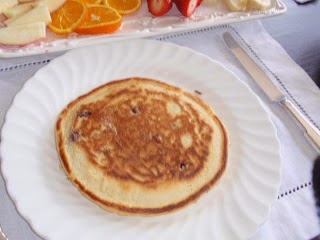
  • Pancakes with yogurt and fruit  
  • Waffles with yogurt and fruit 
  • Bacon, eggs and toast 
  • Crepes with yogurt and fruit 
  • Breakfast burrito 
  • Breakfast taco 
  • Breakfast pasta 
  • Breakfast pizza 
  • Granola and yogurt 
  • English muffin with peanut butter

Breakfast Pasta: Papparadelle with Truffle Oil and Scrambled Eggs
My family and I eat this for brunch sometimes when we wake up later. I know that this isn't the most healthy recipe on the planet, but it's filling and has a little bit of an earthy flavor with a savory bite. If you make this recipe and eat it, great job for taking the time to make breakfast. You get your protein, carbs and fats in one meal. 
Serves 4
Total Calories: 3066 / 4 = 766.6 calories

Ingredients: 
  • 1-2 tablespoons of truffle oil: 120 calories for 1 tbsp of oil 
  • Seven eggs : 490 calories 
  • 6 tablespoons of butter: 600: 
  • 1 cup of grated parmesan cheese: 456 calories
  • 3/4 lb of pappardelle pasta: 1400 calories
Directions: 
  • Boil a pot of water and cook the pasta as you normally would do. 
  • With a little fry pan, melt about four tablespoons of butter and add the truffle oil. Set aside on low heat. 
  • Mix together seven eggs in a bowl. 
  • Add a tablespoon of butter to another frypan. Dump the eggs in and scramble them with a fork. 
  • When the pasta is finished cooking, add the pasta to the frypan with the eggs. Mix. 
  • Serve with parmesan on the top.
 

[1] Zilberter and Zilberter. Frontiers in Public Health. 2014; 2: 59
[2] Dhurandhar et al. Am J Clin Nutr. 2014; Jun 4. [Epub ahead of print]
[3] Brown et al. Am J Clin Nutr. 2013; 98 (5): 1298-308.